Exercise is one of the most powerful tools available for long-term cardiovascular health, but it is not risk-free. Effort raises blood pressure and heart rate by design, and people managing elevated pressure or recovering from illness need to understand how their own bodies respond. A workout begun without context, on a day when the body is already under strain, is very different from the same workout taken when rested. The difference between a beneficial session and an unwise one is often measurable.
Measuring blood pressure before and after a session offers a simple safety check. A pre-exercise reading that is unusually high, especially when the wearer is already feeling unwell, is a sensible reason to shorten or reschedule. A post-exercise reading that returns steadily toward the baseline over the following minutes is a reassuring sign that recovery is proceeding well. Unexpectedly slow recovery, or a reading that climbs rather than settles, is useful information rather than a cause for panic — a prompt to take the next day more easily and to discuss the pattern with a clinician if it repeats.
The science here is straightforward. During exercise, systolic pressure rises as the heart pumps harder; diastolic pressure should remain roughly stable or dip slightly as blood vessels open to working muscles. After exercise, both values should drift back toward baseline as the body cools. When that return is delayed or exaggerated, it suggests the session was harder than the wearer’s current capacity could comfortably absorb. Over time, watching these paired readings helps calibrate effort to what the body is actually ready for, rather than to an external plan.
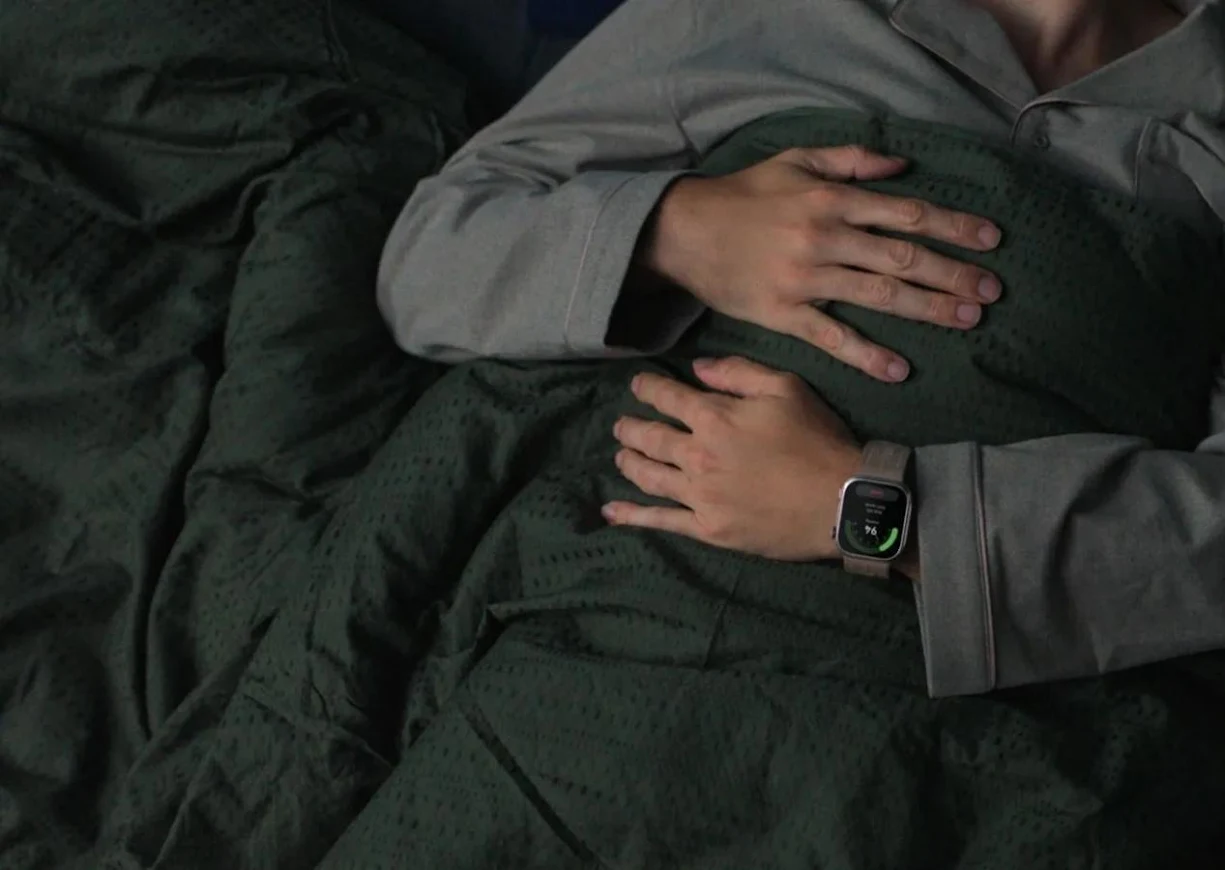
A capable activity tracker watch supports this by allowing quick blood pressure checks before a session and again during the cool-down, using an inflatable chamber integrated into the strap. The measurement takes only a moment, and the resulting pair of readings, stored alongside the workout type and duration, builds a personal safety record over time. This is the same principle that clinicians highlight when they discuss exercise and vascular health: the useful question is rarely what a single number is, but when it was taken, what the person was doing, and how the pattern develops. A detailed, evidence-led discussion of exercise and blood pressure readings explains these before-and-after comparisons in accessible language.
This approach is particularly valuable for people returning to exercise after a break, those new to a higher intensity, and older adults whose cardiovascular responses may differ from younger years. It is equally useful for anyone simply curious about how their body handles effort. The aim is not to restrict movement; it is to make movement more intelligent. A few seconds of measurement around each session removes much of the guesswork that usually separates enjoyable training from unnecessary strain.
Exercise should feel like an investment, not a risk. With a little context captured around the workout, most people can train with confidence, adjusting intensity to what their own body is telling them on the day. Over months, that calibrated approach produces steadier progress than either pushing through discomfort or avoiding effort entirely, and it turns the daily walk, run or cycle into a genuinely informed part of long-term cardiovascular care.
The warm-up is not an optional extra in this context. A few minutes of gentle movement, gradually increasing pulse, gives the cardiovascular system time to adjust to the coming effort and reduces the size of the pressure spike at the start of a session. A tracker that captures the pulse rise through the warm-up makes it obvious when the body is ready for the main set, and when another minute of easy movement is needed. Skipping the warm-up is one of the most common reasons a session feels harder than it should.
Different types of exercise produce very different pressure responses. Steady-state walking or cycling typically produces a moderate, sustained rise with a smooth recovery. Heavy resistance work, especially with breath-holding, can produce sharper transient spikes. High-intensity intervals produce the highest peaks, but also the quickest adaptations. Knowing how the wearer’s own body responds to each type helps match exercise to current cardiovascular status, especially during periods when pressure has been running higher than usual.
The cool-down matters just as much. A few minutes of slow walking after a hard session allows the vascular system to come down gradually rather than slamming the brakes on. The post-exercise blood pressure reading, taken after that cool-down, is far more informative than one taken while the body is still elevated. Over weeks, the paired pattern — pre-session, mid-session peak, post-cool-down recovery — gives a compact snapshot of cardiovascular fitness that no single reading can match.
Safer exercise is not slower exercise. It is exercise measured, contexted and paced to what the body can absorb on the day. Pre- and post-session readings are the simplest tools for that calibration, and they turn every walk, run or session from a leap of faith into an informed choice.